Everest Base Camp Luxury Trek Guide: Cost, Itinerary, Difficulty & Best Time
- soleencounters
Everest Base Camp Luxury Trek Overview
The Everest Base Camp Luxury Trek is more than just a journey, it is a powerful and life changing experience that blends adventure, comfort, and a deep emotional connection to the Himalayas. From the moment you arrive in Kathmandu, you are welcomed into a world where ancient culture meets breathtaking mountain beauty. Exploring UNESCO heritage sites, sacred temples, and vibrant local streets builds excitement before your scenic flight to Lukla begins your journey into the legendary Khumbu region.
Table of Contents
Journey Through the Khumbu Region
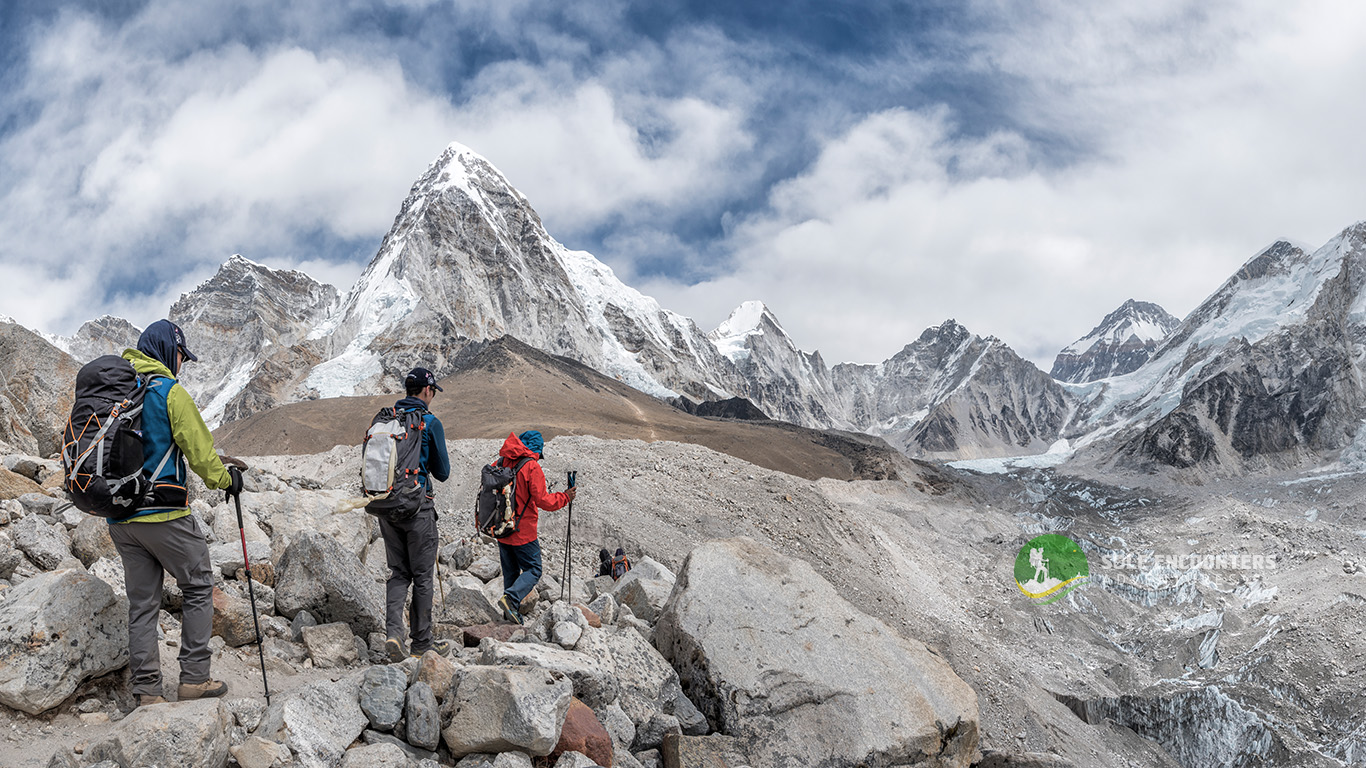
As the trek begins, each step takes you deeper into a landscape that feels almost unreal. Towering Himalayan peaks such as Everest, Lhotse, Ama Dablam, and Nuptse surround you, creating a constant sense of awe. The trail winds through peaceful forests, crosses glacial rivers, and stretches across suspension bridges decorated with prayer flags, leading you into traditional Sherpa villages where life feels simple, authentic, and deeply meaningful.
Premium Mountain Lodges and Comfort
What truly makes this trek unique is the level of comfort built into the journey. Unlike standard treks that rely on basic teahouses, this luxury experience offers premium mountain lodges up to Dingboche and Pheriche. These lodges provide heated rooms, attached bathrooms in many places, hot showers, and high quality meals that help you recover and maintain energy throughout the trek. It is important to understand that this is not a five star hotel experience, but it is the highest level of comfort available in the remote Everest region.
High Altitude Teahouse Experience
At higher elevations, such as Lobuche and Gorakshep, luxury lodges are not available. You will spend two nights in standard teahouses, which are simple but safe and well managed. These stays bring a sense of authenticity and remind you of the raw and remote nature of the Himalayas, adding depth to your overall experience.
Everest Base Camp and Kala Patthar Experience
Reaching Everest Base Camp at 5,364 meters is not just a physical achievement, it is an emotional moment where effort, determination, and dreams come together. Standing beneath the world’s highest peak fills you with both pride and humility. The journey continues to Kala Patthar at 5,545 meters, where sunrise over Everest creates a powerful and unforgettable view. In that quiet moment, you do not just see Everest, you truly feel its presence.
Optional Helicopter Return
For those who prefer a more comfortable and time saving option, a helicopter return is available from Gorakshep to Lukla or Kathmandu at an additional cost. This allows you to avoid trekking back the same route while enjoying breathtaking aerial views of the Himalayas. You can discuss this option with us and we will arrange everything smoothly for you.
Why Choose Everest Base Camp Luxury Trek Over Standard Trek
Not all Everest treks offer the same experience, and the difference between a standard trek and a luxury trek goes far beyond comfort. It directly affects how you recover, how you feel, and how much you enjoy the journey.
Standard Trek Experience
In a standard trek, accommodations are basic with shared bathrooms, limited heating, and simple meals. After long trekking days, especially at high altitude, proper rest becomes difficult and your body can feel more exhausted.
Luxury Trek Experience
In contrast, the luxury trek offers the best available premium teahouses and mountain lodges in the Everest region. While these are not five star hotels, they provide a much higher level of comfort compared to standard trekking options. You can expect heated dining areas, comfortable beds, attached bathrooms in many locations, hot showers, and better quality meals.
Better Comfort and Recovery
This improved comfort allows your body to recover faster, improves sleep quality, and helps maintain strong energy levels throughout the trek. Instead of focusing on discomfort, you can fully focus on the mountains, culture, and your personal journey. Luxury trekking is not about making the trek easy, it is about making it safer, more enjoyable, and more meaningful.
Highlights of Everest Base Camp Luxury Trek
The Everest Base Camp Luxury Trek offers a series of unforgettable moments that make the journey truly special and rewarding.
Everest Base Camp Achievement
Reaching Everest Base Camp at 5,364 meters is a powerful achievement that stays with you forever. It is a moment filled with pride, reflection, and emotional connection to the Himalayas.
Scenic Flight and Mountain Views
The scenic flight to Lukla is one of the most thrilling experiences in the world, offering incredible aerial views of the Himalayan range. Throughout the trek, you are surrounded by iconic peaks such as Everest, Lhotse, Nuptse, and Ama Dablam, creating a breathtaking environment at every step.
Sunrise at Kala Patthar
One of the most memorable highlights is sunrise at Kala Patthar, where Everest is illuminated in golden light. This view is often considered the most rewarding moment of the entire trek.
Cultural and Spiritual Experience
You will explore traditional Sherpa villages like Namche Bazaar, Tengboche, and Dingboche, each offering a glimpse into local culture and lifestyle. A visit to Tengboche Monastery adds a peaceful and spiritual dimension to the journey.
Comfort and Transformation
Staying in premium lodges adds comfort to the adventure, while expert guidance and proper acclimatization ensure safety. Combined with natural beauty and cultural immersion, this trek becomes a truly transformative Himalayan experience.
Everest Region Seasonal Weather
The Everest region experiences diverse weather conditions that change throughout the year, shaping the trekking experience. Winter brings cold temperatures and clear skies, offering beautiful views but harsh conditions at higher altitudes. Spring is one of the most vibrant seasons, with blooming rhododendrons, stable weather, and excellent mountain visibility. Summer is influenced by monsoon rains, making trails wet and cloudy, though the landscape becomes lush and green. Autumn is the most popular season, with crisp air, dry trails, and crystal clear Himalayan views that create ideal trekking conditions.
Best Time to Trek Everest Region
The best time to trek in the Everest region is during spring, from March to May, and autumn, from September to December. These seasons offer stable weather, clear skies, and comfortable temperatures for trekking. Spring adds colorful forests and a lively atmosphere, while autumn provides the clearest mountain views and perfect trail conditions. Both seasons ensure a safer and more enjoyable journey.
Seamless Logistics and Hassle Free Experience
All logistics are carefully organized to match your needs, ensuring a smooth and stress free trekking experience from start to finish. From airport transfers, permits, domestic flights, and accommodations to experienced guides, porters, and daily route planning, every detail is handled with precision. We focus on proper timing, safety, and comfort so your journey runs without disruption. With strong coordination at every stage, you can fully relax and enjoy the mountains, culture, and experience, while we take care of everything behind the scenes.
The Everest region, also known as the Khumbu region, is one of the most iconic trekking destinations in the world. Home to Mount Everest, the highest peak on Earth, this region offers dramatic landscapes, towering हिमालय mountains, ancient monasteries, and rich Sherpa culture. Trails pass through Sagarmatha National Park, a UNESCO World Heritage site filled with unique wildlife and stunning natural beauty. Every step in this region brings a mix of adventure, culture, and breathtaking scenery that makes the journey truly unforgettable.
Everest Base Camp Luxury Trek Difficulty and Safety
Moderate to Challenging Trekking Experience
The Everest Base Camp Luxury Trek is considered moderate to challenging, making it ideal for trekkers with a good level of fitness and determination. While no technical climbing skills are required, you will be trekking 5 to 7 hours daily across varied terrain including stone steps, gradual ascents, rocky paths, and high altitude trails. The real challenge lies in the altitude, as the trek reaches above 5,000 meters where oxygen levels are significantly lower.
Altitude, Acclimatization and Safety Measures
Proper acclimatization is a key part of this journey. Rest days in Namche Bazaar and Dingboche allow your body to adjust naturally and reduce the risk of altitude sickness. Experienced guides closely monitor your condition, pace, and overall health throughout the trek, ensuring safety at every stage.
Comfort and Support During the Trek
Luxury lodges play an important role in making this challenging trek more manageable. Warm rooms, comfortable beds, and nutritious meals help your body recover faster and maintain energy. With professional support, careful planning, and the right mindset, this moderate to challenging trek becomes a safe, achievable, and highly rewarding Himalayan experience.
Explore Other Everest Region Treks in Nepal
If you are dreaming of the Everest Base Camp Luxury Trek but want to explore more options, the Everest region offers a powerful range of trekking experiences designed for every level of adventure, time, and personal goal. Whether you are seeking a shorter scenic escape or a once in a lifetime challenge, there is a perfect route waiting for you.
The classic Everest Base Camp Trek remains one of the most sought after journeys in the world, combining raw adventure, cultural depth, and the emotional reward of standing at the foot of Mount Everest. For a more comfortable and time saving option, the Everest Base Camp Trek with Helicopter Return adds a breathtaking aerial finale to your achievement.
If you crave quieter trails and unique landscapes, the Gokyo Valley Trek and Everest Base Camp via Gokyo Lakes Trek offer stunning turquoise lakes and panoramic viewpoints that many consider even more magical. For those ready to push limits, the Everest Three High Passes Trek delivers an intense and unforgettable high altitude experience.
Adventure seekers can take it further with Island Peak Climbing, Lobuche Peak Climbing, or combined expeditions like EBC with Island Peak or Mera Peak Island Peak Climbing via Amphu Lapcha Pass. Shorter options like Everest Panorama Trek, Everest View Trek, and even wellness focused Everest treks provide rewarding Himalayan experiences without extreme difficulty.
Every trail in the Everest region tells a different story, but all lead to one feeling, awe, pride, and a deep connection to the Himalayas. Choose your journey and make it truly yours.
Author Expertise
This content is crafted by experienced trekking professionals and local experts who have spent years guiding travelers through the Everest region. With deep knowledge of altitude, safety, logistics, and cultural nuances, the insights shared here are practical, reliable, and grounded in real Himalayan experience.
Trek Distance and Route
The Everest Base Camp Luxury Trek covers approximately 130 kilometers round trip. The route begins with a flight to Lukla, then follows Phakding, Namche Bazaar, Tengboche, Dingboche, Lobuche, and Gorakshep before reaching Everest Base Camp and Kala Patthar. The return follows the same trail, allowing gradual descent and recovery.
Cultural Moments and Local Communities
The Everest journey is not only about mountains, it is about people and living traditions that have thrived in these harsh conditions for generations. As you pass through Sherpa villages, you witness a lifestyle built on resilience, faith, and deep connection to nature.
Namche Bazaar acts as the cultural heart of the region, where modern trekking life meets traditional Himalayan living. Prayer flags flutter across ridges, mani stones line the trails, and spinning prayer wheels reflect daily spiritual practice. A visit to Tengboche Monastery offers a powerful moment of stillness, where chants and mountain silence create a deeply emotional experience.
The Sherpa community is known for its warmth and hospitality. Conversations with locals, shared meals, and simple smiles create meaningful human connections. These moments transform the trek into something personal, reminding you that Everest is not just a destination, but a living cultural landscape.
Eco Tourism in Nepal
Eco tourism in Nepal focuses on preserving natural beauty while supporting local communities. In the Everest region, trekking practices encourage minimal waste, respect for wildlife, and use of local resources. Staying in locally owned lodges and hiring local guides directly contributes to sustainable livelihoods and protects the fragile Himalayan environment.
About Sole Encounters Adventures
Sole Encounters Adventures is dedicated to creating meaningful Himalayan journeys that balance adventure, comfort, and authenticity. With a strong focus on safety, local expertise, and personalized service, the team ensures every traveler experiences Nepal beyond the surface, with care, trust, and unforgettable memories.
📞 Talk to Our Everest Experts Today
📩 info@soleencounterstrek.com
📱 +977 9808979061 (WhatsApp Available)
Everest Base Camp Luxury Trek Itinerary Expand All
Day 1 : Arrive In TIA, Kathmandu And Transfer To Hotel (1400m) Meeting At The Hotel
Day 2 : Guided Sightseeing Tour & Drive to Ramechhap (474m / 1,555ft / 5-6 Hours Drive)
Day 3 : Fly to Lukla (2,800m / 9,186ft) & Trek to Phakding (2,610m / 8,562ft / 3-4 Hours Hike)
Day 4 : Trek from Phakding to Namche Bazaar (3,440m / 11,286ft / 7 Hours Hike)
Day 5 : Rest & Acclimatization Day in Namche Bazaar (3,880 meters /12,730ft / 4-5 Hours Hike )
Day 6 : Trek from Namche Bazaar to Diboche (3,855m / 12,650ft / 7 Hours Hike)
Day 7 : Trek to Pheriche (4,240m / 13,910ft / 6 Hours Hike)
Day 8 : Rest & Acclimatization Day Hike to Nagkartshang Hill or Opt Chhukung Side ((5,083m / 16,676ft / 4-5 Hours Hike)
Day 9 : Trek to Lobuche (4,930m / 16,175ft / 6 Hours Hike)
Day 10 : Trek to Everest Base Camp (5,364m / 17,598ft) via Gorakshep (5,164m / 16,942ft / 7-8 Hours Hike)
Day 11 : Trek to Kala Patthar (5,545m / 18,192ft) & Descend to Pheriche (4,240m / 13,910ft /8 Hours Hike)
Day 12 : Trek to Namche Bazar (3,440 meters / 11,286 feet / 7 Hours Hike )
Day 13 : Trek Back to Lukla (2,860 meters /9,383 feet / 7 Hours Hike)
Day 14 : Fly Back to Ramechhap and Drive to Kathmandu (1,400 meters / 4,593 feet / 5-6 Hours Drive)
Day 15 : Final Departure
Everest Base Camp Luxury Trek Cost Includes
- Airport transfers for arrival and departure
- Domestic flights (Kathmandu–Ramechhap–Lukla–Ramechhap–Kathmandu)
- Accommodation in teahouses, with attached bathrooms where available
- Comfortable teahouses throughout the trek, except Lobuche and Gorakshep where only standard teahouses exist
- Two acclimatization nights in Dingboche at comfortable teahouses
- All meals during the trek (breakfast, lunch, dinner)
- Welcome dinner and farewell dinner in Kathmandu
- Experienced licensed trekking guide and porter
- Sagarmatha National Park Permit, Khumbu Rural Municipality Permit, and TIMS card
- Guided Kathmandu sightseeing tour
- Duffle bag and trekking cap for the journey
- Emergency medical kit carried by the guide
- Achievement certificate after completing the trek
- Free support for emergency arrangements, including rescue coordination
- All necessary paperwork and local taxes
Everest Base Camp Luxury Trek Cost Excludes
- International flights & Nepal visa fees on arrival
- Travel insurance for high altitude trekking and emergency evacuation
- Personal trekking equipment such as clothing, boots, poles, and backpack
- Extra beverages and snacks during the trek
- Optional helicopter flights or private evacuations
- Tips for guides and porters (15 to 20 percent recommended)
- Personal expenses including laundry, phone calls, and internet
- Hot showers where not included in room price, extra charge applies
- Early arrival or extended stay in Kathmandu before or after the trek
- Meals in Kathmandu except welcome and farewell dinner
- WiFi and charging facilities along the trek, extra cost
- Extra rooms or single room upgrades during the trek, including if returning early
- Additional activities or personal sightseeing beyond the itinerary
Recent Posts
.jpg)
3rd Jul, 2025
.jpg)
4th Jul, 2025
.jpg)
4th Jul, 2025
.jpg)
7th Jul, 2025
.jpg)
8th Jul, 2025
.jpg)
8th Jul, 2025
.jpg)
8th Jul, 2025

10th Jul, 2025